Stop Letting Your Patio Sit Empty This Winter
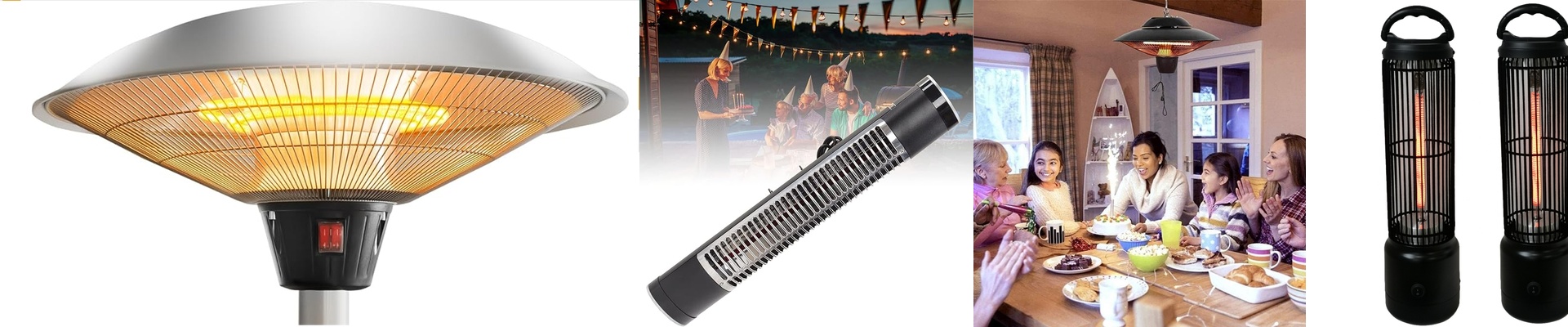
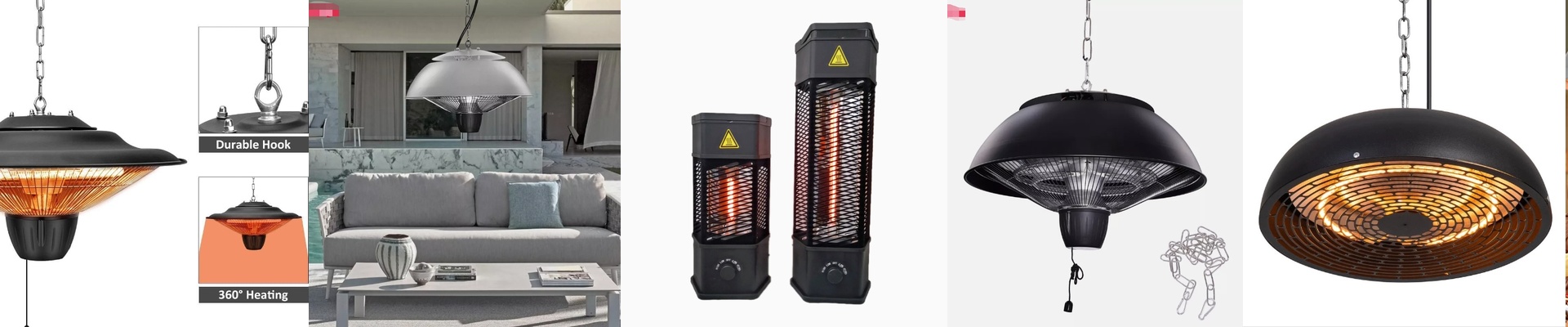
Let’s be honest: most outdoor heaters are a joke. You turn them on, the wind blows for two seconds, and all that expensive warm air just vanishes into the night. Your guests end up shivering, clutching their coats, and leaving the moment they finish their main course. That’s where shortwave infrared comes in. Instead of trying to fight the wind by heating the air, these heaters go straight for the source. They beam heat directly onto your guests and their chairs. It’s an instant hit of warmth. The second someone sits down, they feel it. No waiting around for the “area” to warm up—just immediate comfort. The psychology of a warm seat Here is the thing about dining: if people are cold, they leave. It’s that simple. When a guest feels a chill, they stop ordering drinks and start looking for the exit. By using targeted infrared arrays, you’re basically tricking the season. You turn a freezing patio into a cozy spot where people actually want to linger. When they stay longer, they order that extra round of drinks or a dessert they weren’t planning on. You’re turning dead square footage back into money. Getting the setup right We usually mount these overhead to get the most coverage. Because the heat density is so high, the units themselves can stay pretty small without losing any punch. But a heads-up on the electrics: these things pull a lot of power. Don’t just plug them into a random outlet or you’ll be tripping breakers all night. You’ll want a dedicated circuit with a balanced load across your panel to keep things running smooth. And watch out for “cold spots.” Infrared travels in a straight line—like a flashlight. If you space the heaters too far apart, a guest might feel great until they shift their chair two inches to the left and suddenly hit a pocket of freezing air. You want those heat cones to overlap. Think of it like a warm blanket draped over the whole seating area. The bottom line The math is pretty straightforward. If you can bump your winter capacity up by even 20%, the hardware usually pays for itself in a single season. You aren’t wasting money trying to heat the entire neighborhood. You’re just keeping your customers warm.