Stop Wasting Heat: The Truth About Wafer Curing
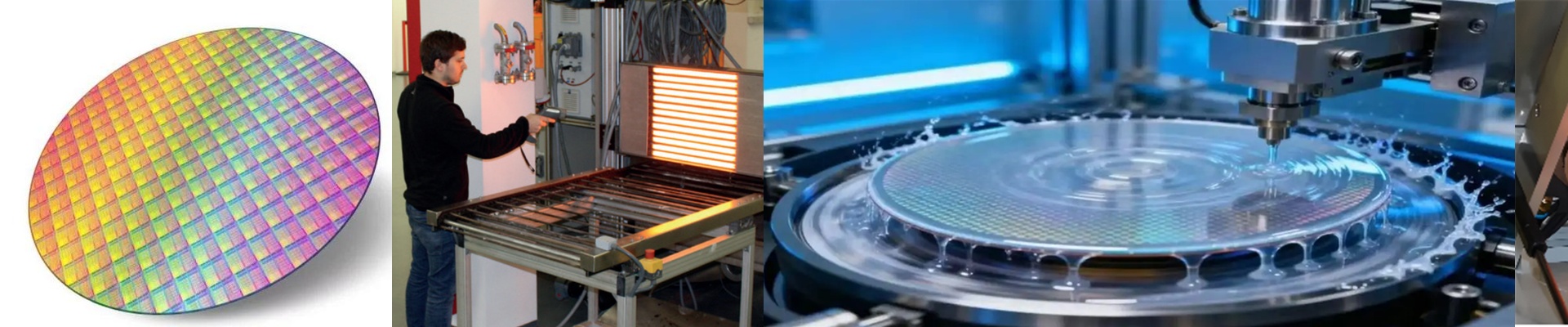
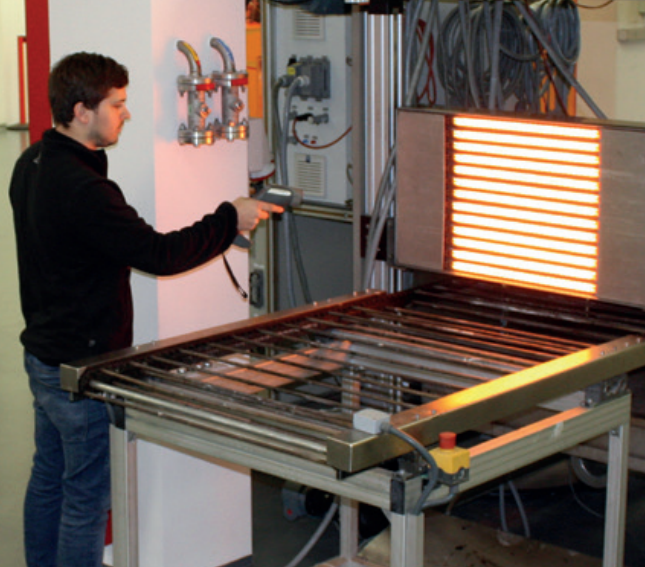
When you’re curing wafers, you’re basically managing a tight energy budget. If you’re running a curing lamp without a decent reflector, you’re essentially throwing half your energy into the air. It’s a waste. We use specialized reflectors to bounce that infrared energy right back onto the wafer. It keeps the heat where it belongs, which means you get your parts through the cycle a lot faster. It’s all about the angle. The shape of your reflector decides exactly how your heat hits the surface. We spend a lot of time obsessing over the curves—using parabolic or elliptical shapes—to make sure the radiation is spread evenly. Why? Because “hot spots” are a nightmare. They warp wafers. They ruin cures. And here’s the kicker: if your reflector is off by just a few degrees, you get cold zones. Most people try to fix this by just cranking up the power. That’s a mistake. All you’re doing is cooking your lamps and shortening their lifespan. The gear and the data We stick with high-purity aluminum or gold-coated substrates. They handle the shortwave and medium-wave spectrums best, and more importantly, they can take a beating. These things go through constant thermal cycling—heating up and cooling down—and they need to hold up. In a modern Fab, we don’t just “set it and forget it.” We wire these systems into digital controllers to keep an eye on power draw and temperature curves. It’s a lifesaver. You’ll know the second a reflector starts to oxidize or a lamp starts to drift before you accidentally trash a whole batch of wafers. The trade-off Now, there is a catch. When you concentrate that much energy into such a small space, things get hot. Fast. You can’t just plug these in and hope for the best. You need a serious heat sink or forced-air cooling to protect your sockets and wiring. If your cooling fails, the heat will eat right through your reflector coating. Once that happens, your efficiency tanks, and you’re back to square one.