Moving from Forced Air to Ozone-Free IR in Semi Processing
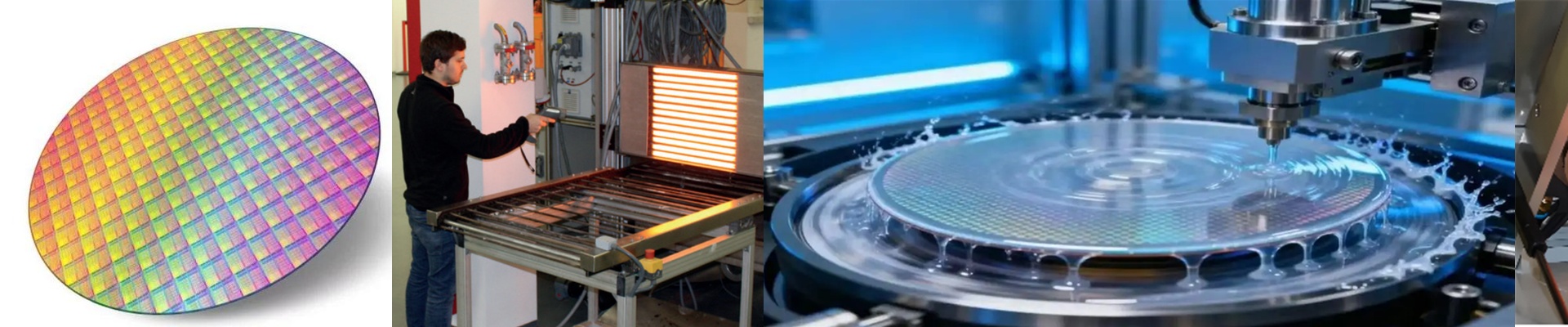
If you’re still using hot air circulation for semiconductor processing, you’re probably spending way too much time just… waiting. Switching over to ozone-free infrared (IR) lamps isn’t just about getting a different kind of heat. It’s about killing that annoying lag time.
The “Waiting Game” Problem
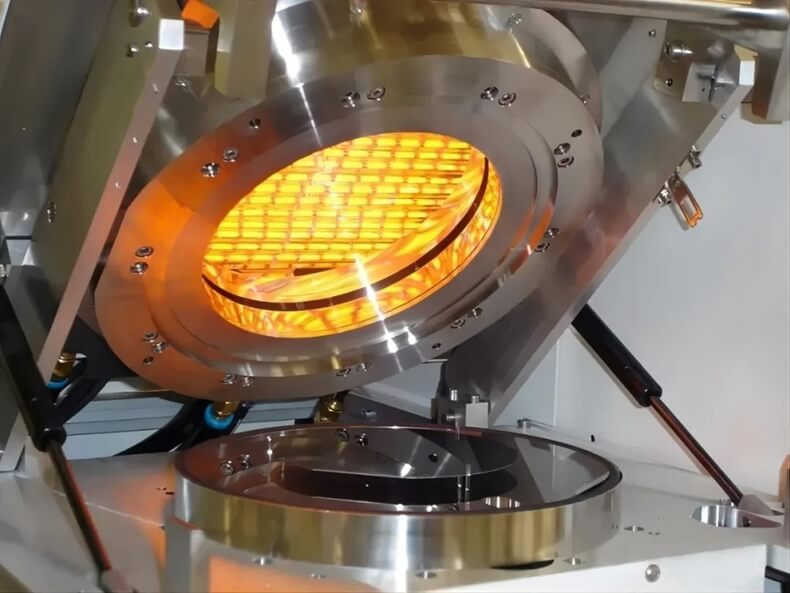
Think about how forced air works. You have to heat up the air, and then that air has to heat up your substrate. It’s a middleman. You end up sitting there for minutes just waiting for the chamber to hit the right temperature. IR lamps cut out the middleman. The energy goes straight from the lamp to the workpiece. We’re talking about shrinking your ramp-up time from minutes down to seconds. It feels like flipping a light switch.
The Ozone Headache
Now, here is the tricky part. Most standard shortwave IR lamps put out radiation around the 185nm range. The problem? That creates ozone. In a cleanroom, ozone is a nightmare. It eats away at your seals and oxidizes parts that need to stay pristine. To fix this, we use filtered filaments and special quartz envelopes. You get all that intense heat density, but none of the chemical mess.
Getting the Setup Right
You can’t just plug these in and call it a day. These lamps are power-hungry, so you need your voltage regulation to be spot on—otherwise, you’ll burn through tubes way too fast. And a word of warning: these things gethot. I mean really hot. If you’re pushing for max heat, don’t use cheap mounts. They’ll warp. Stick with high-temp ceramics if you want the thing to actually last.
The Catch
Nothing is perfect. IR is incredibly fast, but it’s directional. Unlike hot air, which wraps around your part like a blanket, IR only heats what it can “see.” If your parts have weird shapes or deep nooks and crannies, you’re going to get cold spots. You’ll need to spend some time mapping out your lamp array or using reflectors. It takes a bit of tweaking, but once you get the coverage uniform across the wafer, the speed is worth every second of effort.