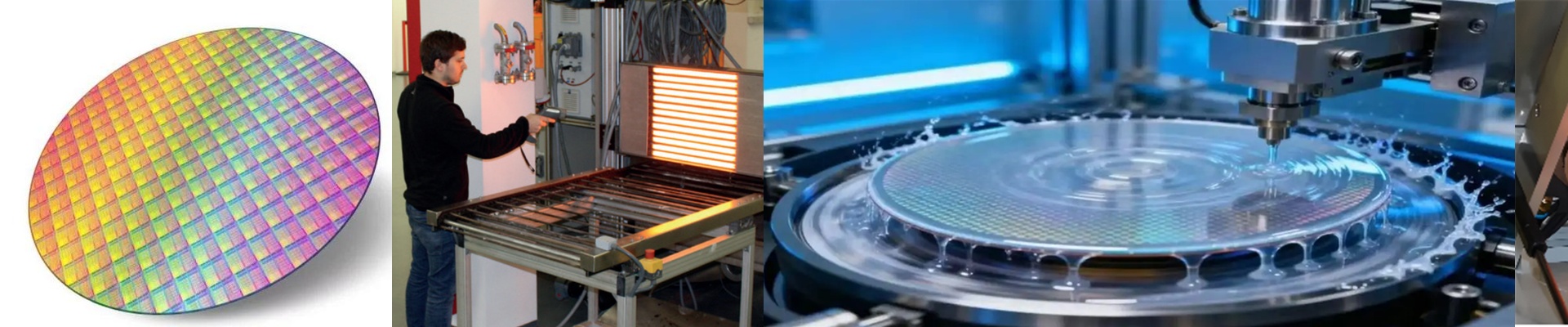
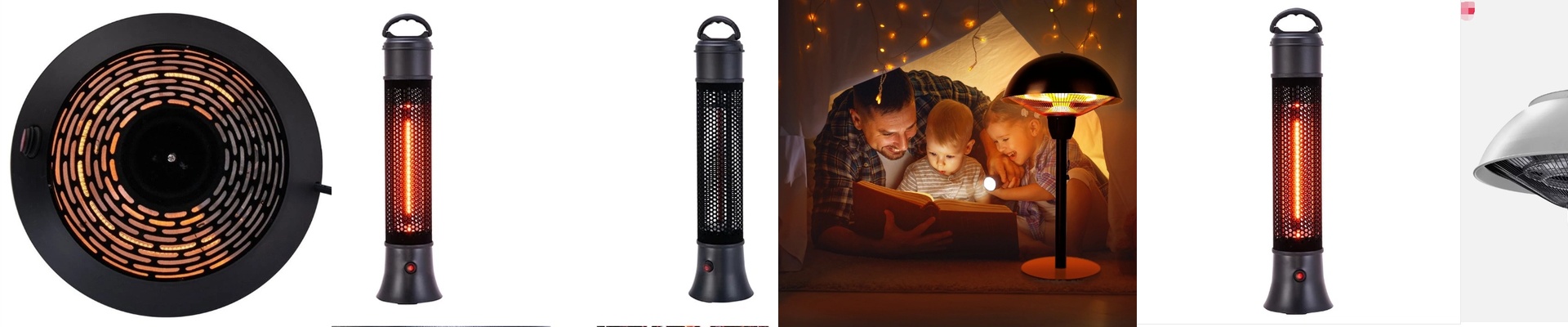
Stopping the Nightmare of Wafer Contamination
Let’s be honest: in semiconductor processing, a lamp burst is a total disaster. It’s not just a “part failure.” It’s a mess. When a quartz tube shatters under heavy load, you’ve got glass shards and tungsten filaments raining down on your wafers. One second everything is fine, and the next, you’re scrapping entire batches. It’s a headache nobody wants. Why we use the twin-tube setup Here’s the thing about heat. If you cram all that power into one single high-wattage tube, the center point gets way too hot. It stresses the quartz until it just can’t take it anymore. We solve this by splitting the load across two tubes. It keeps the surface temperature under control and stops that sudden thermal shock from cracking the glass, all while still giving you the heat you actually need for the process. The trick with the gold coating Now, why the gold? Standard quartz is a bit wasteful—it lets IR radiation leak out in every direction. By adding a gold layer to the back of the tube, we basically build a mirror. It bounces all that energy forward, straight onto the wafer. The best part? You get a higher heat density on your target without having to crank the voltage up to dangerous levels. It’s just more efficient. Keeping things safe Look, no lamp is indestructible. When you’re pushing production to the limit, things happen. To sleep better at night, we suggest using a physical containment shield or a quartz “safety sleeve.” That way, if a tube does happen to pop, the debris stays trapped in the sleeve instead of ruining your work. One last tip: watch your power supply. It’s tempting to over-volt a gold-coated lamp just to hit your temperature targets a few seconds faster. Don’t do it. You’ll kill the filament and invite a burst. Just match your PID settings to the lamp’s natural ramp-up rate. It takes a moment longer, but it saves you from a catastrophic afternoon.