Making IR Curing Work in a Smart Fab
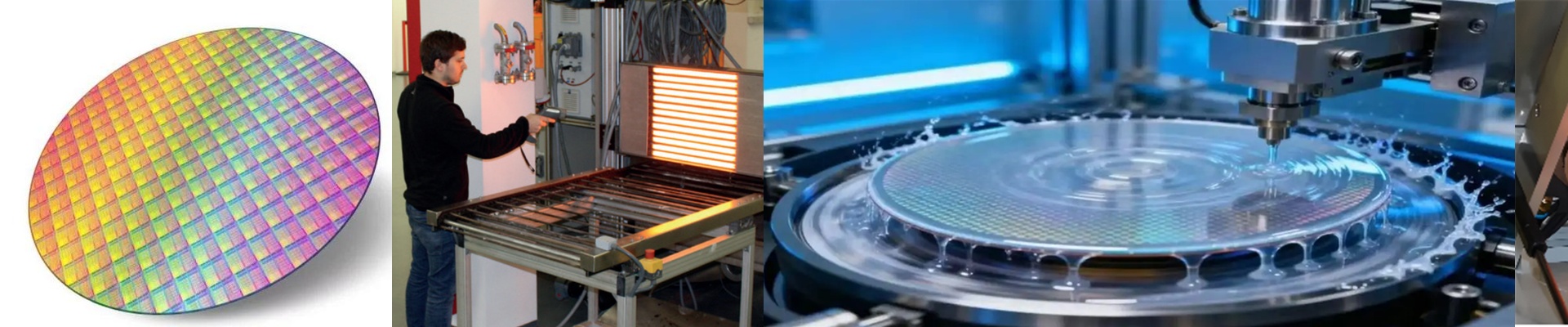
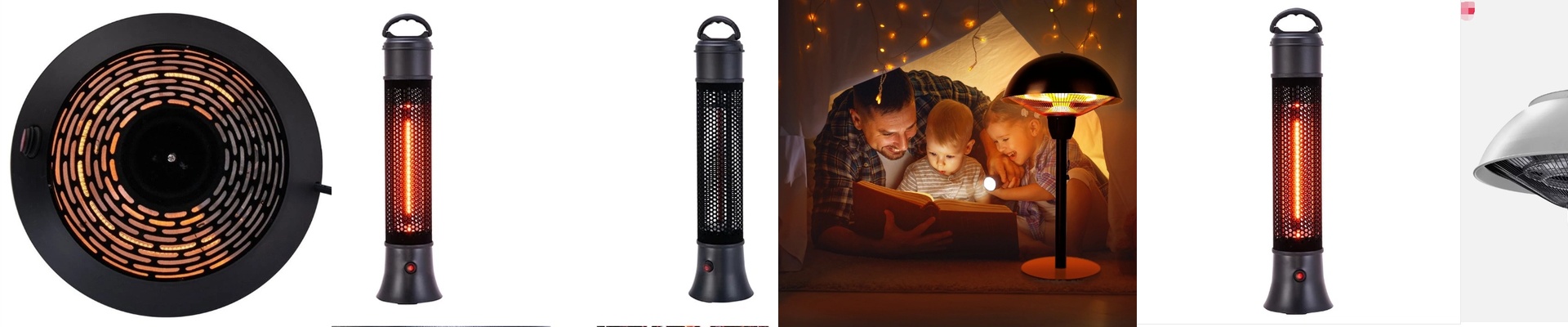
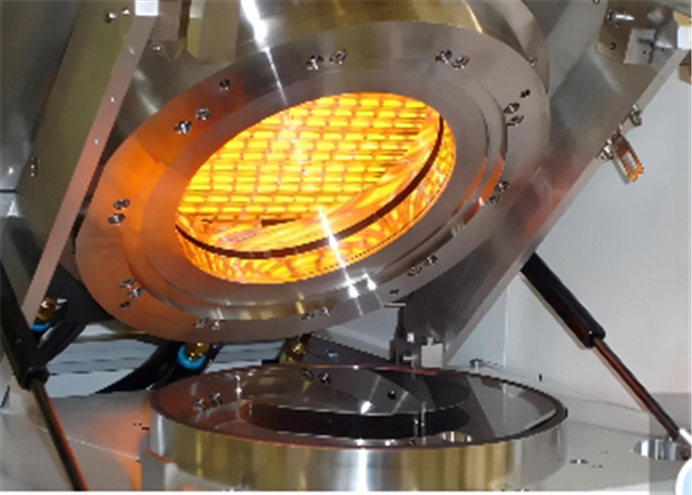
If you’re moving your plant toward Industry 4.0, you already know that automation is only half the battle. The real headache is finding heating tools that actually talk to your digital controllers. That’s where certified infrared (IR) lamps come in. They’re the go-to because they turn electricity into radiant heat instantly. No waiting around for a convection oven to warm up. It’s just fast. Stop Guessing with Your Temps In a digital Fab, staring at a manual thermometer just doesn’t cut it anymore. We build our IR systems to plug right into your PLC-based PID loops. What does that actually mean for you? It means you can tweak the power in real-time based on what your sensors are telling you. The lamp stops being a “dumb” heater and becomes a variable you can actually control. You can see exactly how much energy each unit uses and dial back the heat so you stop over-curing. Your scrap pile gets smaller, and your sanity stays intact. The Heat Struggle Here’s the thing: high-wattage lamps are great for slashing cycle times, but they pack a massive punch in a small space. If you decide to go with a high-intensity array to speed things up, you have to think about your cooling. If your chassis ventilation isn’t up to the task, the electronics in your smart rack are going to fry. It’s a simple trade-off: more power needs more airflow. Putting it into Practice We usually see these systems in the spots where you need both precision and speed. Whether you’re drying photoresists, stabilizing substrates, or curing adhesives, IR just gets the energy where it needs to go. We recommend wiring it to an SCR for precise dimming. This gets rid of that annoying “thermal lag” you get with old-school heaters. You get instant-on, instant-off control. It’s the only way to hit those tight tolerances that a modern semiconductor or electronics Fab demands without losing your mind in the process.