Getting More Out of Your Fab Lamps with Quartz Glass Shields
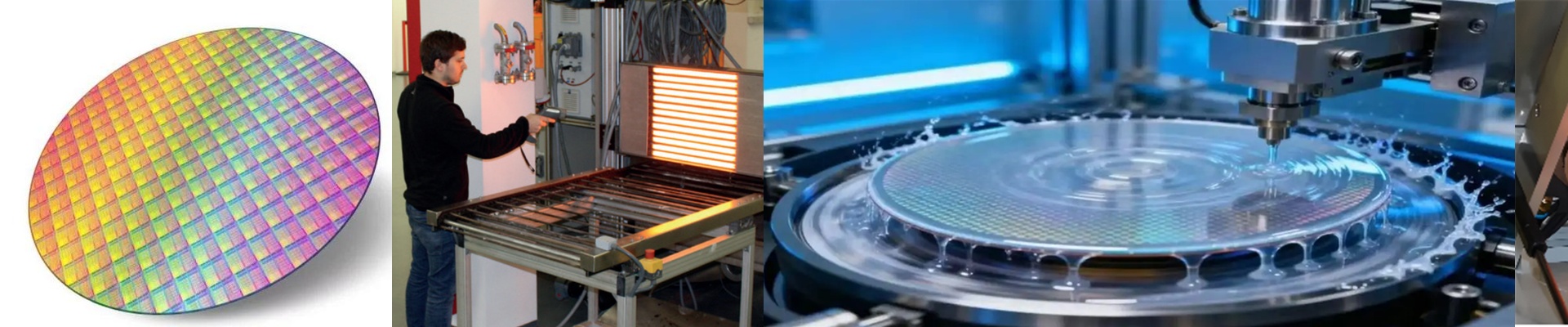
Let’s talk about the constant battle with thermal budgets in semiconductor fab. It basically feels like a war against wasting energy. To keep things under control, we use quartz glass shields for the lamps. The goal is to keep the heating element tucked away from the wafer environment. It’s not just about keeping things clean, though. It’s really about dialing in that infrared (IR) emission so you hit your temperature targets without burning through kilowatts of power for no reason. The trick with energy density We go with high-purity fused silica for these shields. Why? Because it’s basically a clear window for short-wave IR. It lets the heat slide right through without soaking it up. When you’re running a high-wattage lamp, that shield is your best friend. It stops the heating element from frying itself when it hits process gases or random debris. Plus, having that stable thermal barrier means you hit your soak temperature way faster. Less waiting, less power used per wafer. Simple as that. Dealing with the grit In a fab, even a tiny speck of dust is a disaster. This is where quartz really earns its keep. It doesn’t “cloud over” (devitrify) even when things get scorching hot. If a shield starts to cloud or, heaven forbid, cracks, you get hotspots. And hotspots are a nightmare. They create uneven heating across the wafer, which usually ends up as a pile of scrap and a lot of wasted electricity. You need something that can handle those brutal jumps from freezing to boiling without flinching. The big picture on carbon If we want a “green” factory, we have to look at the energy used per chip. Quartz shields let us tighten the focus of the IR radiation. When the focus is sharp, less heat leaks into the tool chassis. More heat goes into the substrate, and less goes into the cooling water. Just a heads-up: if you push for higher heat density, make sure your vacuum seals and cooling loops are up to the task. You’re concentrating a lot of thermal load in one spot, so your hardware needs to be ready for it.