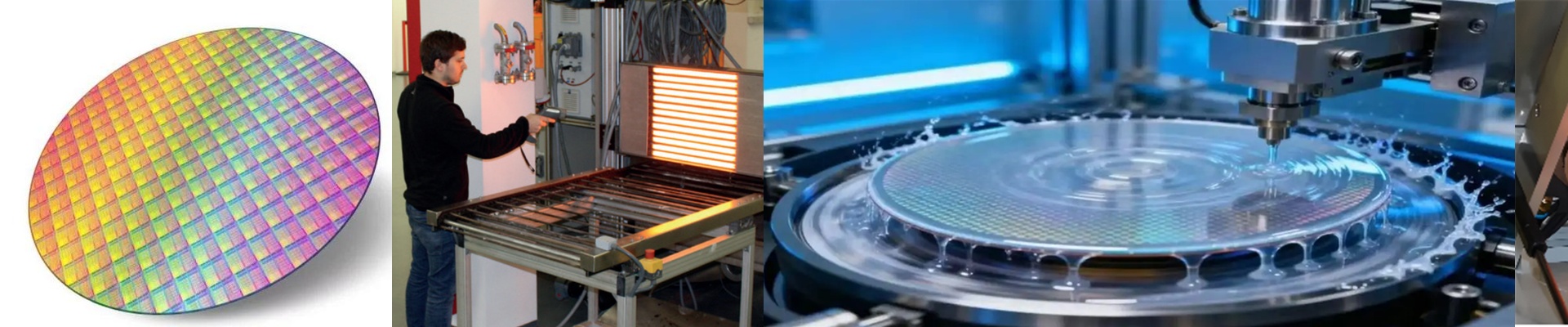
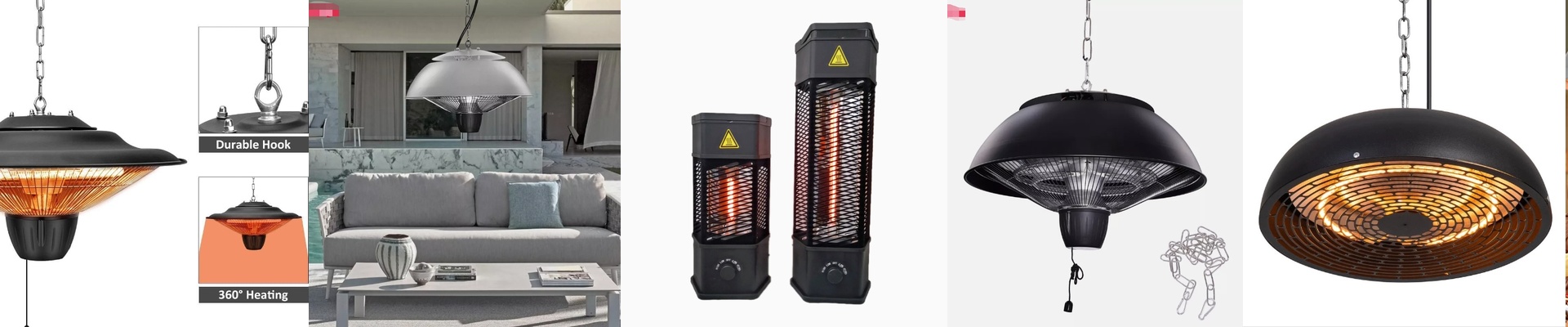
Keeping Things Safe: Carbon Fiber IR Lamps in Chemical Zones
Let’s be honest: putting infrared heaters next to flammable cleaning chemicals is a recipe for disaster. One tiny spark or a cracked quartz tube, and you’re not just looking at a broken machine—you’re looking at an explosion. It’s a scary thought, which is why we stopped using open-element designs and started locking everything down in specialized enclosures.
Why Carbon Fiber?
We swapped out the old tungsten filaments for carbon fiber. Why? Because carbon fiber can take the heat. It doesn’t get brittle and snap the way tungsten does, which means we can crank up the heat density without worrying about the whole thing falling apart. But here’s the catch: because these things put out so much heat, you’ve got to keep an eye on your ventilation. If you don’t, the heat just sits there and can fry your sensors.
Locking it Down
The goal is simple: keep the fumes away from the electricity. We wrap the whole lamp assembly in a housing that doesn’t care about chemicals. We’re talking high-grade gaskets and flame-retardant potting compounds right where the wires enter. It’s a physical wall. If a chemical splashes, it hits the shield. The live current stays dry and safe. And please, forget about standard plastic connectors. They’ll melt or rot. We use reinforced, heat-shrunk sleeves and industrial seals that can handle the harshest caustic solvents without breaking a sweat.
Making it Work in Your Shop
You can slide these lamps right into your existing wash lines. Just make sure your wiring is actually rated for the load. One thing to keep in mind: that protective shell adds a bit of thermal resistance. You might notice you need to bump your power up by about 5-10% to get your workpiece to the right temperature. And do yourself a favor—check the seals often. If you see the casing pitting or corroding, swap the unit out immediately. Don’t gamble with a breach. It’s a small bit of maintenance that keeps the heat on the parts and the sparks out of the air.