Getting the Heat Right for Bio-Sensor Wafers
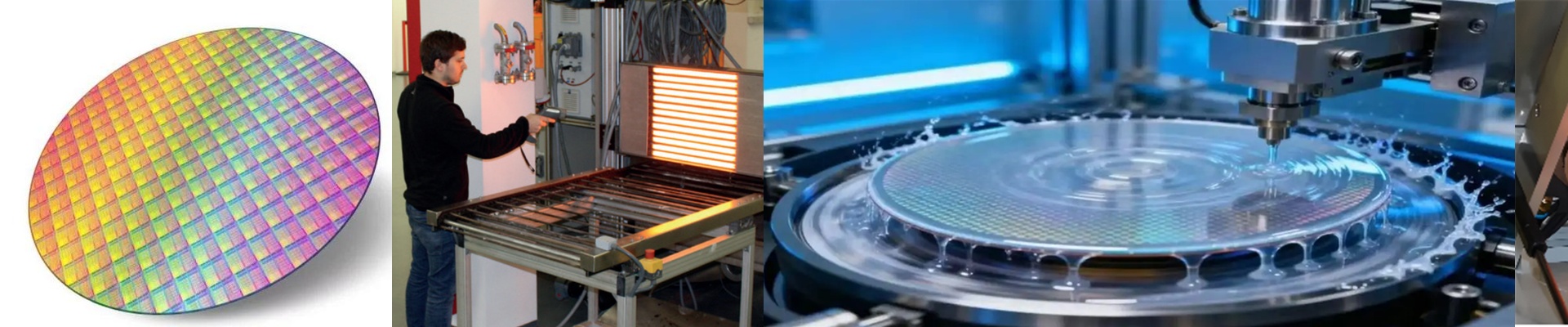
If you’ve ever worked on bio-sensor fabrication, you know the headache. You need the wafer surface hot, but you can’t let the substrate overheat. It’s a tightrope walk. To get it right, we rely on infrared (IR) lamps and gold-coated reflectors. The goal is pretty straightforward: stop wasting power and push every bit of that heat exactly where it needs to go. Why the gold? Most people start with aluminum reflectors, but they just don’t cut it. They soak up too much energy. We switched to high-purity gold because it’s incredibly efficient at bouncing infrared light. Instead of the heat bleeding into the lamp housing and wasting electricity, the gold pushes it right back toward the wafer. We also shape these reflectors to focus the beam. It creates a concentrated heat zone. This means you can keep the heating element small while still hitting the wafer with a massive amount of heat. Handling the power When you’re setting up these lines, you’re dealing with some serious power density. We build these systems to ramp up fast. That’s huge because if you have thermal lag, those sensitive biological coatings can just fall apart. But here’s the catch: you have to keep an eye on your cooling. Because the gold is pushing so much energy forward, the back end of the lamp can still get scorching. If your chassis isn’t vented properly or your fans are too weak for the wattage, your filaments are going to burn out way sooner than they should. The trade-off Gold is great, but it’s delicate. Really delicate. Whatever you do, don’t let anyone scrub these reflectors with abrasive pads. One little scratch in that gold layer and you’ve got a “cold spot” on your heat map. That leads to uneven curing, and suddenly your whole batch of wafers is junk. To avoid that nightmare, we usually just swap out the entire reflector assembly. It’s the easiest way to make sure every single batch comes out exactly the same.