
Stop Replacing Your Heaters Every Few Weeks
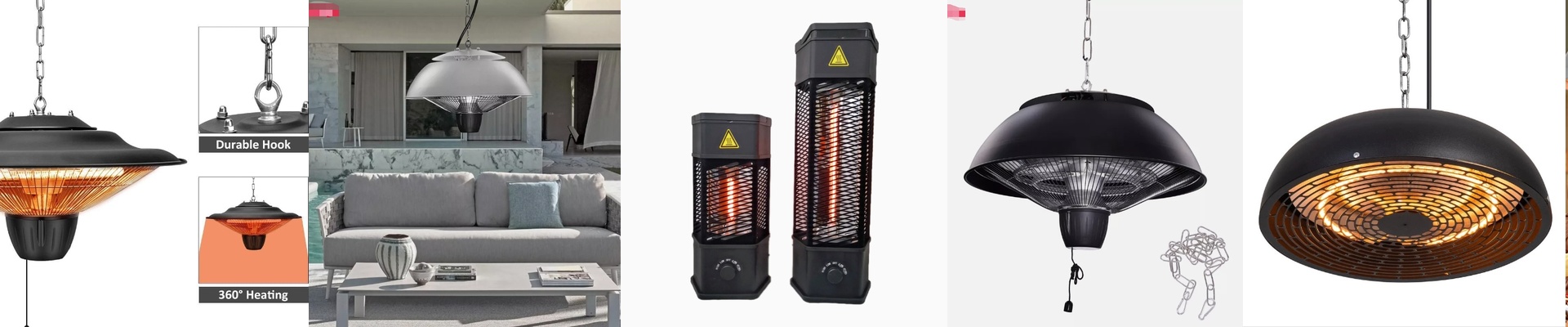
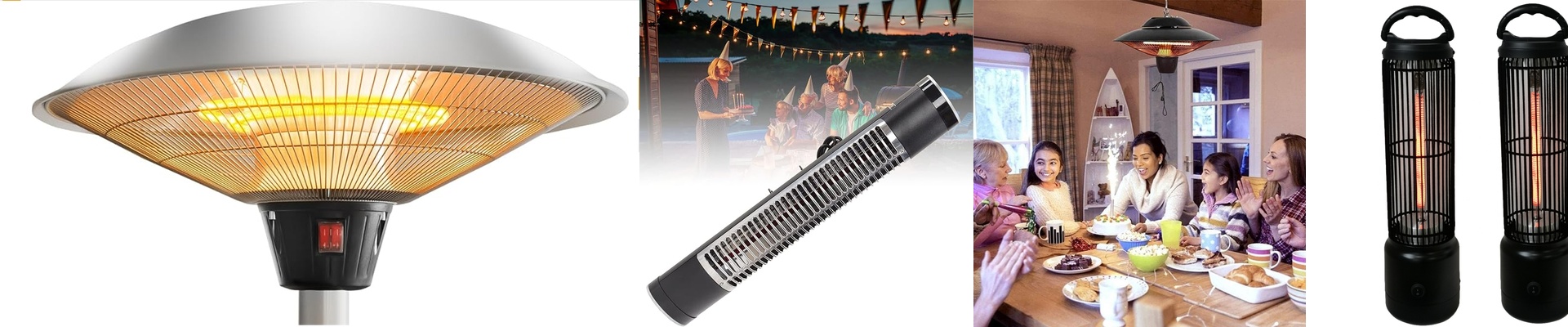
If you’re running infrared heaters in a chemical cleaning zone, you already know the headache. You’ve got flammable vapors floating around and corrosive liquids that eat through everything. A standard quartz tube just doesn’t stand a chance. It’ll pop or corrode faster than you can order a replacement. To fix this, we don’t just “cover” the heater. We seal the electrical guts inside a protective shell, keeping them totally isolated from the nasty stuff in the air.
How the sealing actually works
Think of it as a high-tech suit of armor. We wrap the infrared elements in a housing that doesn’t react with chemicals. It’s hermetically sealed, meaning nothing gets in. We use heavy-duty gaskets and flame-proof seals to make sure those volatile fumes never touch the energized terminals. If a spark happens inside the lamp—which can happen—it stays inside. It can’t reach the surrounding air, and you don’t have to worry about things going boom. And we don’t believe in “one size fits all.” Depending on the pH of the chemicals you’re using, we swap out the materials. If you’re dealing with aggressive solvents, we ditch the standard alloys and go with powder-coated stainless steel or polymers that won’t pit or flake when they get splashed.
The trade-off: Heat vs. Safety
We’ve built in smart sensors to keep an eye on things. If the airflow gets blocked and the housing starts getting too hot, the system just throttles the power back automatically. Simple. Now, here is the catch. Because we’ve added that safety layer, there’s a bit of a thermal barrier between the filament and your workpiece. It’s not a deal-breaker, but it does mean the heat takes a little longer to ramp up compared to a bare tube. You’ll just need to nudge your dwell times up a bit to make up for that lag.
Getting it installed
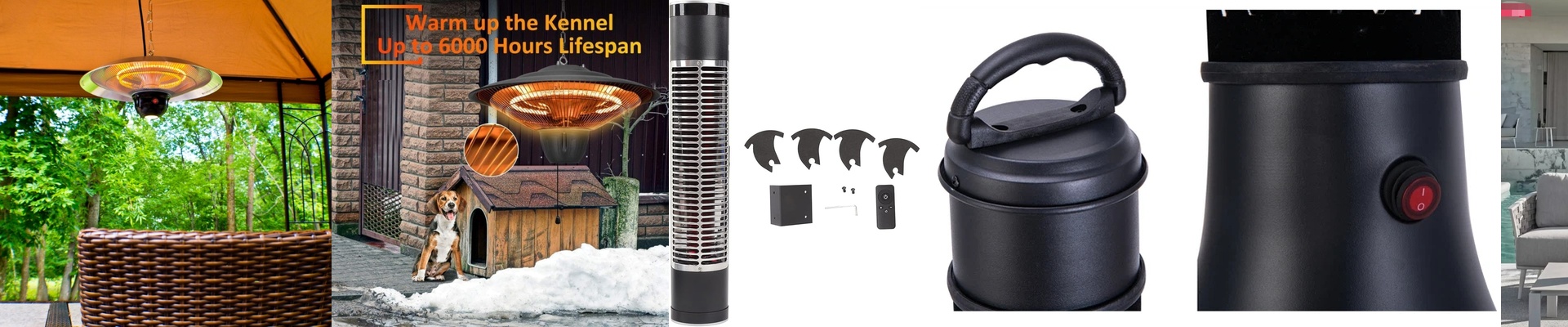
When you’re wiring these up, stick to explosion-proof conduits and rated cable glands. We designed the footprint to be a drop-in replacement for the heaters you’re likely already using. Just double-check that your mounting brackets can handle the extra weight of the safety housing. Once it’s in, you can finally stop that endless cycle of “burn out and replace.” It just works.